
Home › Areas We Serve › Morris County
Roofing, Chimney, Masonry & Exterior Contractor in Morris County, NJ
NJ Gold Star Construction serves Morris County, NJ, including Morristown and Parsippany, with roofing, chimney work, masonry steps and stone walls, poured concrete sidewalks, gutters, siding and decks. We are licensed (NJ HIC #13VH13359900), insured and give free written estimates.

Morris County sits just west of our Totowa base, and we take on roofing, chimney, masonry and deck projects across it. Larger lots, hillier ground and many older homes shape the work here.
The pages below cover what we do in the county, how permits work, and what local conditions mean for your project.
What exterior work does NJ Gold Star take on in Morris County?
NJ Gold Star Construction handles all six of its trades for Morris County homeowners: roofing, chimney work, masonry, gutters, siding and decks. The crew works from Totowa, travels to each Morris County job, and gives every homeowner a free, written, itemized estimate after an on-site inspection.
We are honest about geography. Our base is Totowa, in Passaic County, and we do not keep a Morris County office. What we do is drive to the job with our own crew, with no subcontractor handoff, and treat a Morris County roof the way we treat one at home.
- Roofing: repairs, full replacement, attic ventilation, maintenance and flat or low-slope work, with 24/7 response for active leaks.
- Chimney work: repairs, rebuilds, liners, caps, chase covers and creosote removal.
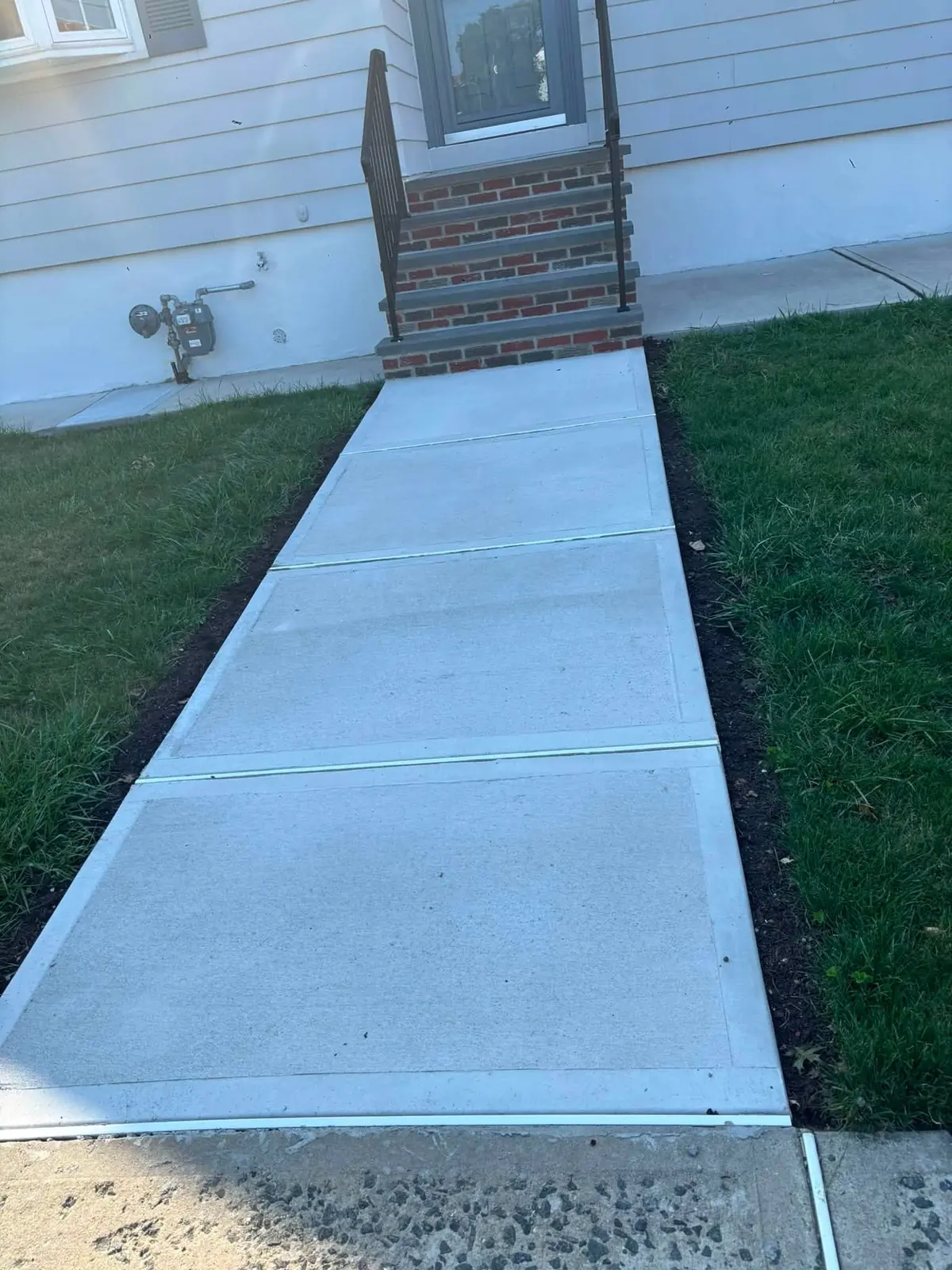
- Masonry: brick and stone steps, poured concrete walkways and sidewalks, veneer, repointing and foundation repair.
- Gutters: seamless aluminum and copper, guards, screens, cleaning and downspouts.
- Siding: vinyl and fiber cement repair and installation.
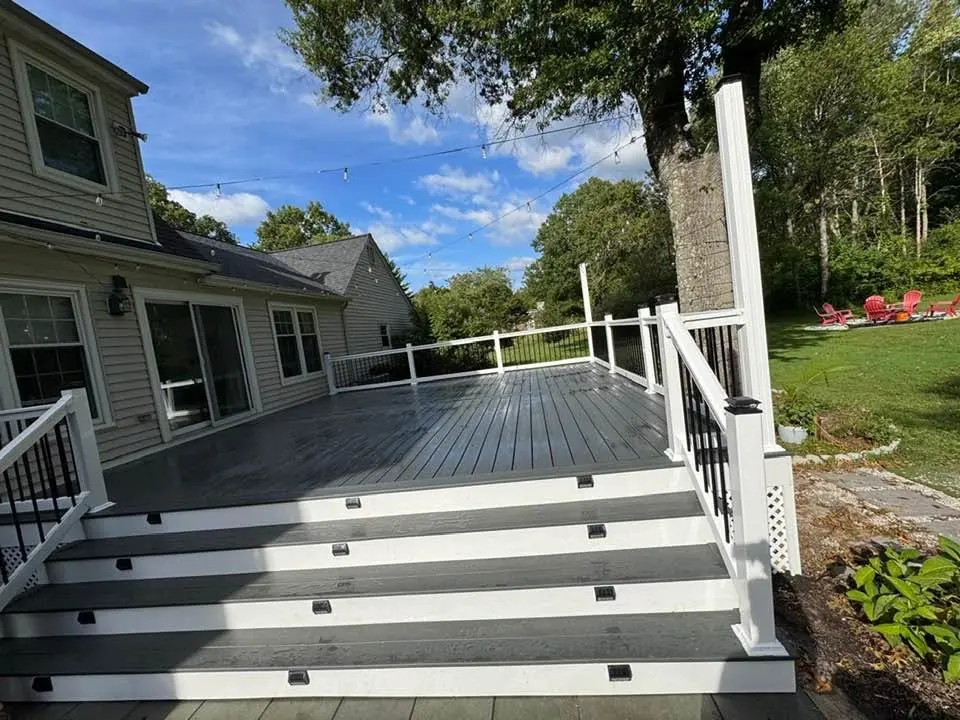
- Decks: new construction, structural repair and restoration.
Most homes need more than one of these at once. A roof, its gutters and the chimney flashing share the same water path, so we look at them together.
How do permits work across Morris County's towns?
Morris County does not issue building permits. Each of its municipalities runs its own construction office under the New Jersey Uniform Construction Code, so the form, fee, timeline and inspection steps depend on the town where the house stands, not on the county line.
The state’s Department of Community Affairs publishes one set of permit forms that every local office uses. Its page sorts work into three tiers: a full permit, a lighter permit for minor work, and ordinary maintenance that needs none. Applications go to the local construction code enforcement office. That is why a repair that needs paperwork in one town can be routine maintenance in the next.
The towns publish what they require, and the detail varies. Morristown states that roofing, siding and deck replacement need a permit, and that the town has up to 20 business days to review an application. The Parsippany-Troy Hills site points homeowners to the same state UCC forms through its building and construction pages.
For every job we confirm the classification with the town’s construction office before work starts, file what is required, and schedule around the review. If you want a feel for the sequence first, read how a roof replacement is scoped and inspected.
What do Morris County's winters and terrain do to roofs and gutters?
Northern New Jersey is the state’s snowiest and coldest zone. The Rutgers climatologist’s office reports 40 to 50 inches of snow a year there, with snow possible from mid-October to the end of April in the highlands, so Morris County roofs see more freeze-thaw cycles than coastal ones.
The same Rutgers overview describes the northern zone as elevated highlands and valleys, with small mountains up to 1,800 feet, and average winter temperatures that can run more than ten degrees cooler than the coast. That range is for the whole northern zone, not for any one Morris town. Still, the pattern is useful: the longer the cold season, the more often meltwater refreezes at the eave.
What that means on the roof
- Ice dams form where heat leaks into the attic and melts snow above a cold eave. Better attic ventilation and air sealing treat the cause.
- Valleys, chimney saddles and step flashing carry the most water, so they fail first. Our guide to common roof leaks shows where to look.
- Gutters on exposed ground fill with ice and sag. Properly pitched seamless gutters with secure hangers hold up better.
Wind exposure on higher ground is real, but we won’t quote a wind figure for your street. On any roof, we check fastener patterns, ridge caps and edge metal for lifting before recommending anything.
Do the Whippany and Passaic river basins affect exterior projects?
Yes, in some parts of Morris County. The county’s 2020 hazard mitigation plan says the Whippany River floods East Hanover, Morris Township, Morristown and Parsippany-Troy Hills, and that most mapped 1 percent annual chance flood zones lie in eastern Morris County along the Pompton and Passaic Rivers.
The same plan notes that the area east of U.S. Route 202 has poor natural drainage because of shallow shale soils, and that those soils speed up runoff. The Great Swamp National Wildlife Refuge, a 7,853-acre mix of forested wetlands, marsh, ponds and streams, also sits in Morris County, according to the U.S. Fish and Wildlife Service. We did not find a source tying specific roofing failures to any of these, so treat what follows as trade judgment rather than county data.
Where ground stays wet or water moves quickly, exteriors usually show it at the bottom first:
- Downspouts that dump beside the foundation, which a good gutter system should carry well away from it.
- Cracks and efflorescence at the base of walls, which point to foundation repair and drainage.
- Steps and walks that heave or settle because the soil beneath them stays saturated.
Check whether your address sits in a mapped flood zone before planning anything large. Ask your town’s construction office or look up the FEMA flood map, because flood-zone rules can change what you may build and how.
What changes when the lot is sloped or the house is historic?
Sloped lots change footings, drainage and access, and older homes change how a repair is scoped. In Morris County that often means setting deck posts and walls below frost, controlling runoff with stone or concrete, and reading an older house’s history before pricing a chimney or roof.
Frost is the main rule below grade. Footings for decks, steps and walls need to extend below the local frost depth, which the building code sets and your town’s construction office confirms, because freezing soil lifts shallow footings unevenly. On a slope, water also runs through the yard on its way downhill, so grade and drainage matter as much as the structure.
A natural stone retaining wall is one way to hold a grade and slow runoff. A new deck on a slope usually needs taller posts and bracing, and masonry steps must be built on a compacted base that drains.
Older housing brings its own questions. Morristown has a Historic Preservation Commission whose published role is to advise the Planning Board, as described on the Morristown page. We confirm local rules for each property. Unlined chimneys and layered additions are common in older houses, so our chimney repair signs are a good starting checklist.
When is the best time to schedule exterior work in Morris County?
Book roofing, siding and masonry in spring through fall, when materials seal and mortar cures properly. Because the highlands can see snow from mid-October into late April, ask about fall scheduling early, and call right away for an active leak rather than waiting for the season to turn.
Spring is for finding what winter did: lifted shingles, cracked caps, sagging gutters. Summer and early fall suit full replacements and new decks. Mortar and poured concrete need steady temperatures to cure, so we plan patios, walks and chimney masonry for the warm months.
Winter is for emergencies and protection. If a limb comes through a roof or flashing lets water in, we respond 24/7 and work to make the house watertight first. A tarp or temporary repair buys time; a permanent repair waits for conditions that let it last. A same-day visit is our goal whenever possible, but storm weeks get busy.
Two practical habits help. Have gutters cleaned after leaf drop, and look at your roof edges after each heavy snow melt. A cheap maintenance visit costs far less than the rot we find under a neglected leak.
How do you choose a roofing or masonry contractor in Morris County?
Start with New Jersey’s Home Improvement Contractor registration. Search the business name or 13VH registration number on the state’s license verification site, confirm the record is active and matches the company, then get a written contract and itemized estimate before any deposit or work.
The state verification system, run by the Division of Consumer Affairs, lets you choose Business Search for home improvement contractors. Ours is NJ HIC #13VH13359900, and we are fully insured. Check the name on the record against the name on the truck, estimate and contract.
Beyond registration, look for these signs:
- A free, written, itemized estimate after an on-site inspection, not a number given from the driveway.
- The person who inspects describes what failed and why, with photos.
- The contractor will pull permits where your town requires them.
- The crew works under the company’s name rather than handing the job to subcontractors.
One Google reviewer described the way we start a job:
“the whole process was explained in depth before the job was started.” — Bill E., Google review
Our full checklist is in how to choose roofing contractors in New Jersey, and you can request a free estimate whenever you are ready.
Exterior services in Morris County
Roof repair, full replacement, attic ventilation and maintenance, with 24/7 emergency leak response.…
Repairs, rebuilds, stainless liners, caps, chase covers and deep cleaning.…
Masonry steps, poured concrete sidewalks, natural stone walls, stone veneer and foundation repair.…
Seamless gutters, guards, screens, repairs and cleaning.…
Vinyl and fiber cement siding, installed and repaired with the flashing behind it done right.…
New decks and structural repair, built to code on proper footings.…
Recent projects
Morris County service area map
Request a free estimate
Tell us about the project and we will call or text you back. For an active leak call (862) 271-1225 now.
Frequently asked questions
Do you have an office in Morris County?
No. NJ Gold Star Construction works from Totowa in Passaic County, which borders Morris County to the west of our base. Our own crew drives to each Morris County project, and we schedule visits and estimates around that travel. We do not claim a local office or storefront there.
Who issues roofing permits in Morris County?
Each municipality’s construction office issues them under the New Jersey Uniform Construction Code; the county itself does not. Requirements differ from town to town, so we confirm whether your roof, siding or deck work needs a full permit, a minor-work permit or none before we file.
Does my Morris County house sit in a flood zone?
The county’s hazard mitigation plan says most mapped 1 percent annual chance flood zones are in eastern Morris County along the Pompton and Passaic Rivers, with the Whippany River flooding several towns. Your address is the only reliable answer, so check the FEMA map or ask your town’s construction office.
Can you build a stone retaining wall on a steep Morris County lot?
Yes, natural stone retaining and garden walls are part of our masonry work. A steep lot needs proper drainage behind the wall, a stable base and footings set for frost. We assess slope, soil and water on site, and confirm any permit your town requires before building.
Do you work in winter in Morris County?
We respond to emergencies year-round, including leaks and storm damage, 24 hours a day. Large installations, concrete and mortar work are better in warmer months. In winter we make the house watertight first, then plan the permanent repair for conditions that let materials cure and seal.
How do I verify a Morris County contractor is registered?
Use the New Jersey Division of Consumer Affairs license verification site, pick Business Search, and look up the company name or its 13VH registration number. Confirm the status is active and the name matches your estimate and contract before you pay a deposit.
- Construction Permit Application Forms — New Jersey Department of Community Affairs
- License Verification System — New Jersey Division of Consumer Affairs
- New Jersey Climate Overview — Office of the New Jersey State Climatologist, Rutgers University
- Morris County Hazard Mitigation Plan, Section 4.3.6 Flood (July 2020) — Morris County, NJ Office of Emergency Management
- Great Swamp National Wildlife Refuge — U.S. Fish and Wildlife Service
- Building & Construction Department — Town of Morristown, NJ
- Township of Parsippany-Troy Hills — Township of Parsippany-Troy Hills, NJ
- Historic Preservation Commission — Town of Morristown, NJ
Updated October 2026 · Reviewed by Edgar Lopez Gonzalez, owner · NJ HIC #13VH13359900
Licensed & insured. 25+ years in North Jersey. We answer 24/7 for leaks and storm damage.
- County
- Morris County, NJ
- License
- NJ HIC #13VH13359900
- Emergency service
- 24/7 — call (862) 271-1225
- Estimates
- Free, written and itemized